Summers across the Lower Mainland continue to bring longer, intense periods of heat. As residential properties adopt modern cooling systems like central air conditioning and electric heat pumps, managing household power consumption becomes a priority. Many homeowners quickly discover that keeping a property comfortable during July and August heatwaves can lead to surprisingly high utility bills.
Achieving a balance between a perfectly chilled indoor space and manageable energy costs requires moving past manual adjustments. Upgrading your home infrastructure with an automated climate controller helps protect your utility budget while maintaining consistent comfort. Installing these modern units correctly requires addressing specific low-voltage electrical elements to keep your home operating smoothly when outdoor temperatures climb.
Overcoming Summer Energy Waste and Installation Hurdles
Transitioning to automated climate management involves addressing several technical and practical obstacles that frequently frustrate property owners during the warmer months.
Eliminating the Empty-House Energy Drain
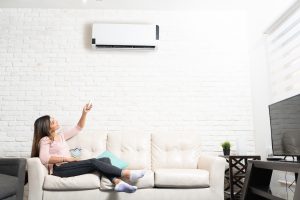
A common dilemma during the summer is managing cooling while away from home for work or weekend trips. Leaving an air conditioning unit running at peak output in an empty house wastes significant electricity, driving up seasonal utility bills. Conversely, turning the system completely off means returning to a stifling indoor environment that forces your equipment to labor intensely for hours to restore comfort. Connected climate controllers resolve this issue by shifting to energy-saving eco-modes automatically based on occupancy, then cooling the house down just before you arrive.
Navigating the Common Wire Dilemma
Many homeowners buy a retail smart thermostat expecting a simple plug-and-play DIY project, only to hit a technical wall during removal of the old wall unit. Modern smart controllers feature digital screens and Wi-Fi radios that require constant power, which is delivered via a dedicated 24-volt common wire, or C-wire. Older regional properties rarely have this wire pulled through the walls from the furnace or air handler. Attempting to install a new controller without a proper power loop can cause system short-circuiting, battery drain, or permanent damage to expensive cooling components.
Preventing Equipment Short-Cycling
Manual operation often leads to rapid system cycling, where a homeowner repeatedly switches the air conditioning on and off or lowers the temperature drastically out of frustration. This behavior forces the cooling compressor to start and stop too frequently, a process known as short-cycling. Rapid cycling places immense mechanical stress on your cooling system, drawing high spikes of startup current and accelerating internal wear. Automated units utilize advanced algorithms to maintain stable cycles, protecting your equipment from premature breakdowns during peak summer demand.
Core Advantages of Summer Climate Automation
Integrating a smart thermostat into your residential electrical framework provides immediate functional benefits that improve daily comfort and system transparency.
Summer Energy Savings Discovery Loop
- Geofencing Tracking: Automatically scales back your cooling systems the moment your smartphone crosses your household boundary.
- Real-Time Reporting: Monitors and logs your exact peak-hour consumption habits directly via your mobile app.
- Humidity Regulation: Optimizes internal fan speeds to strip heavy moisture from the air before cycling the cooling loop.
- Grid Balance: Intelligently syncs with residential solar arrays to maximize energy savings during peak daytime generation.
Advanced Geofencing Capabilities
Geofencing connects your climate control system to your mobile phone location services. When the system detects that all family members have traveled outside a set perimeter, it adjusts the cooling target upward by a few degrees to save energy. As you enter the return boundary, the system reactivates the air conditioning, ensuring your living space reaches the desired temperature the moment you step through the front door.
Moisture Control and Humidity Tracking
True summer comfort involves managing more than just the temperature on the dial. High humidity makes indoor air feel heavy and warm, causing people to lower their thermostats lower than necessary. Modern smart units monitor indoor moisture levels directly, automatically running your heat pump or air conditioner fan on low-speed cycles to strip humidity out of the air. This targeted regulation makes the home feel noticeably cooler without drawing excessive power.
Detailed Consumption Analytics
Knowledge is power when managing seasonal utility expenses. Automated thermostats compile comprehensive history reports visible via smartphone apps, detailing exactly when your cooling system is active and what triggered the usage. This transparency allows you to identify specific behaviors that waste electricity during peak daytime hours, allowing you to fine-tune your settings for better efficiency.
Maximizing Whole-Home Efficiency Upgrades
Optimizing your household performance often involves looking at how various systems interact. While a smart thermostat significantly cuts cooling waste, pairing it with broader electrical retrofits can maximize long-term savings.
Properties generating clean energy can use their climate automation to maximize utility savings. Operating air conditioning during peak daylight hours aligns perfectly with the highest generation periods for residential solar panels. This combination allows you to cool your home entirely on self-generated power, reducing reliance on the external grid.
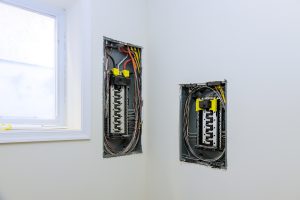
Before expanding your home automation or adding central cooling infrastructure, evaluating your main power panel is an important safety step. Older homes running multiple heavy-draw summer appliances like AC units, car chargers, and smart electronics can exceed safe capacity limits. Consulting an expert helps determine if your property requires an upgrade from 100A to 200A in residential homes to support your modern home systems safely.
Seamless Integration and Calibration Steps
Achieving optimal performance from your smart climate controller involves careful setup and hardware integration to guarantee accurate readings.
Proper Sensor Placement
A thermostat can only regulate your home effectively if it reads temperature data accurately. Mounting a unit in direct sunlight, near hot kitchen appliances, or right next to an air vent creates false readings that cause your system to run inefficiently. Technicians ensure the primary unit is placed on an interior wall away from draft zones, and can deploy remote wireless sensors in bedrooms or home offices to balance temperatures evenly across different floors.
Low-Voltage Transformer Verification
Ensuring the furnace control board can safely supply power to your new hardware is crucial. Technicians inspect the existing low-voltage transformer to confirm it outputs the correct voltage and amperage to handle the digital display, smart sensors, and accessory relays without overheating.
Mobile Application Synchronization
Once the physical wiring is securely connected, the hardware must be linked to your local wireless network. Setting up the companion software allows you to establish custom cooling parameters, grant access to family members, and integrate the climate controls with existing smart platforms like Google Home or Apple HomeKit. Connecting the system to your smartphone lets you manage temperatures remotely and build custom schedules that optimize energy savings when the house is empty. For a closer look at the lifestyle advantages of automated heating and cooling, read about these practical benefits of adding a smart thermostat to your home to see how remote access improves daily convenience.
FAQs
Will a smart thermostat work with my older baseboard heaters?
Standard smart thermostats are designed for low-voltage systems (24V) used in central furnaces and heat pumps. High-voltage line-voltage baseboard heating systems require specialized smart thermostats engineered specifically for 120V or 240V configurations to ensure safe operation.
How much money can a smart thermostat save during a summer heatwave?
Actual savings depend on your home insulation and household habits, but top manufacturers note average savings of 10% to 15% on cooling expenses. By eliminating unnecessary empty-house cooling and using automated schedules, most homeowners see noticeable utility savings within the first summer season.
What happens to my smart thermostat settings during a power outage?
Modern smart controllers utilize non-volatile internal memory, meaning your programmed schedules, Wi-Fi details, and user preferences remain stored safely if the power fails. Once your home power is fully restored, the unit reboots automatically and syncs with the network to resume schedule tracking.
Why does my smart thermostat screen keep turning off?
If your system lacks a dedicated C-wire for constant power delivery, the device relies on internal battery reserves or draws power from the furnace loops intermittently. When power levels drop too low, the screen dims or turns off completely to conserve energy for basic system switching functions.