
Living in British Columbia means being prepared for unpredictable weather. From the windstorms of the Fraser Valley to the heavy snow in the North Shore mountains, power outages are a regular part of life. Many homeowners invest in a standby system to keep their lights on and food cold. However, simply owning the equipment is not enough. Without consistent care, a generator is just an expensive piece of lawn furniture.
Breaking the False Sense of Security
The biggest threat to your home’s resilience is the “False Sense of Security.” This happens when you assume that because the unit was expensive or professionally installed, it will automatically work forever. A standby generator is an internal combustion engine, much like a car. If you left a car sitting in a driveway for six months without starting it, you would not expect it to roar to life during a blizzard.
Why Standby Generators Fail When You Need Them Most Most failures happen because of small, neglected issues that compound over time. A dead battery or a fouled spark plug can prevent the unit from starting exactly when the utility grid goes down. In our coastal climate, moisture is a constant enemy. It creeps into electrical components and causes corrosion that remains invisible until the system is under load. Regular testing ensures these minor faults are caught while the sun is still shining.
Tackling Fuel Degradation and the Gunk Factor
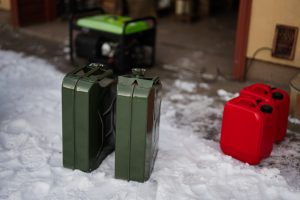
Fuel does not stay fresh forever. This is a primary concern for homeowners using gasoline or diesel-powered systems. Over time, fuel breaks down and develops a thick, varnish-like residue often called “gunk.” This substance clogs fuel injectors and carburetors, making it impossible for the engine to draw the energy it needs to run.
The Impact of Pacific Northwest Humidity on Fuel Our local humidity levels accelerate this degradation. Moisture can condense inside fuel tanks, leading to water contamination and even algae growth in diesel tanks. If your fuel has been sitting for more than six months without a stabilizer, it is likely already losing its potency. Part of your routine should involve checking fuel levels and adding high-quality stabilizers to prevent chemical breakdown. If the fuel is too old, it must be professionally drained and replaced to avoid damaging the engine internals.
Essential Steps for an Emergency Generator Service
When you schedule an emergency generator service, a technician looks at the system as a whole. They are not just checking if it turns on; they are checking if it can sustain a load for hours or days at a time. This level of scrutiny is what separates a functioning home from one left in the dark.
Battery Health and Cold Weather Cranking The battery is the heartbeat of the starting system. Cold weather significantly reduces a battery’s ability to provide the “cranking amps” required to turn over a large engine. We often see batteries that show a full charge on a voltmeter but fail under the actual pressure of a start sequence. Testing the battery’s health under load is a non-negotiable part of seasonal prep. If your battery is more than three years old, replacing it before the first storm hits is a smart investment in peace of mind.
Oil and Filter Changes for Long-Term Reliability Just like your vehicle, your generator needs clean oil to lubricate moving parts and dissipate heat. Most manufacturers recommend an oil change every 100 to 200 hours of run time or at least once a year. During a major outage, your generator might run for 48 hours straight. That is a lot of wear on old, thin oil. Fresh synthetic oil specifically rated for Canadian winters ensures the engine stays cool and protected even during extended use.
Managing Noise and Local Bylaw Compliance
In many Vancouver and North Shore neighbourhoods, noise is a sensitive issue. Strata councils and city bylaws have strict rules about decibel levels and when a unit can be tested. A poorly maintained generator is a loud generator. Worn-out mufflers or loose housing panels can cause a unit to vibrate and drone, leading to complaints from neighbours.
Keeping the unit clean and the exhaust system in good repair ensures you stay within local noise limits. Most modern standby units have a “quiet test” mode that runs at a lower RPM for weekly exercises. Ensuring this mode is functioning correctly helps maintain good relations with those living nearby while still keeping your system ready for action.
The Role of the Transfer Switch in Home Safety
The transfer switch is the bridge between your generator and your home’s electrical panel. Its job is to safely disconnect your home from the utility grid before connecting it to the generator. This prevents “backfeeding,” which is a dangerous situation where your generator sends power back out into the street. Backfeeding can be fatal for BC Hydro crews working to restore power.
A professional inspection includes testing the mechanical operation of this switch. We look for signs of arcing, heat damage, or loose connections. Since this component handles the full electrical load of your home, its failure can be catastrophic. Ensuring the switch transitions smoothly is a vital safety step that many DIY homeowners overlook.

Why Professional Maintenance Beats DIY
While there are top generator maintenance tips you can follow yourself, such as keeping the area around the unit clear of debris, the technical work is best left to experts. A Red Seal electrician understands the nuances of voltage regulation and frequency hertz. If your generator’s output isn’t perfectly stable, it can fry sensitive electronics like your computer or smart fridge.
Professional home generator maintenance includes a “load bank” test in some cases. This involves connecting the generator to an artificial load to simulate a power outage. It forces the engine to reach operating temperature and proves that the cooling system and alternator are fully functional. You cannot replicate this level of testing with a simple “start-and-stop” check in your backyard.
Investing in a service contract means you are on the priority list when the weather turns. When a massive storm hits the Lower Mainland, every electrician is flooded with calls. Our regular maintenance clients have the confidence of knowing their systems have been vetted by the best in the business. Do not wait for the clouds to turn grey. Contact us today to secure your home’s energy future.
FAQs
How often should I run my generator if there are no outages? You should “exercise” your generator once a month for about 20 minutes. This circulates oil, keeps seals lubricated, and ensures the battery stays charged. Most standby units can be programmed to do this automatically.
Does a standby generator add value to my BC home? Yes. In regions prone to weather-related outages, a maintained standby generator is a significant selling point. It offers prospective buyers security, especially in areas where sumps pumps or medical equipment are required.
Can I use regular car oil in my generator? While the oil might look the same, generators often require specific viscosities to handle the high heat of air-cooled engines. Always check the manufacturer’s manual or ask your technician to ensure the warranty remains valid.
What should I do if my generator makes a hunting or surging sound? Surging is often a sign of a fuel issue or a governor problem. It means the engine is struggling to maintain a steady speed. If you hear this, turn the unit off and call for service immediately to prevent damage to your appliances.