
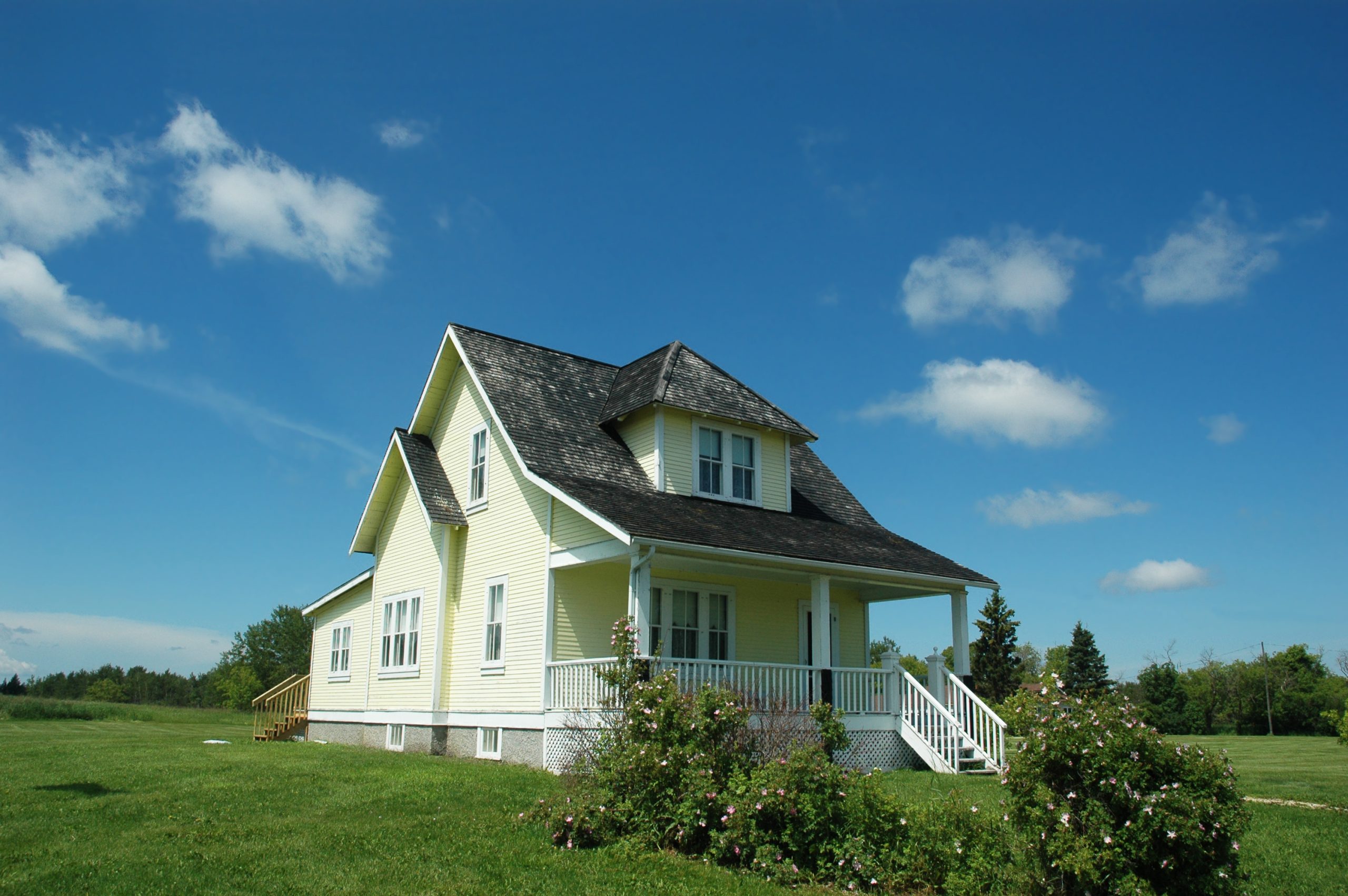
Walking through a beautifully restored home in Queen’s Park or Upper Lonsdale feels like stepping back in time. The craftsmanship found in North Vancouver’s early 20th-century builds is unmatched. However, behind those solid fir studs and decorative moldings lies a network of copper and porcelain that was never designed for the 21st century.
When these homes were constructed, the average household used electricity for little more than a few lightbulbs and a radio. Today, we expect our homes to power high-speed internet, smart appliances, climate control systems, and electric cars. This massive shift in energy consumption creates a dangerous friction between vintage charm and modern necessity. For homeowners, understanding the technical needs of these properties is the first step toward a successful renovation.
The Insurance Blockade: Why Your Policy is at Risk
One of the most immediate pressures facing North Shore homeowners is the “Insurance Blockade.” In the current Canadian real estate market, insurance companies have become incredibly risk-averse regarding older electrical systems. If a home inspection reveals the presence of knob and tube wiring, many providers will issue a 30-day ultimatum: replace the wiring or lose your coverage.
This isn’t just a bureaucratic hurdle. Insurance companies view older wiring as a high-probability fire risk because these systems lack a grounding wire. Without a ground, a surge or a short circuit has nowhere to go but into the surrounding wood structure. For many, the goal of a heritage renovation is as much about financial security as it is about aesthetics. Securing a “Letter of Compliance” from a licensed electrician is often the only way to satisfy an underwriter.
Knob and Tube Replacement: Vancouver’s Safety Standard
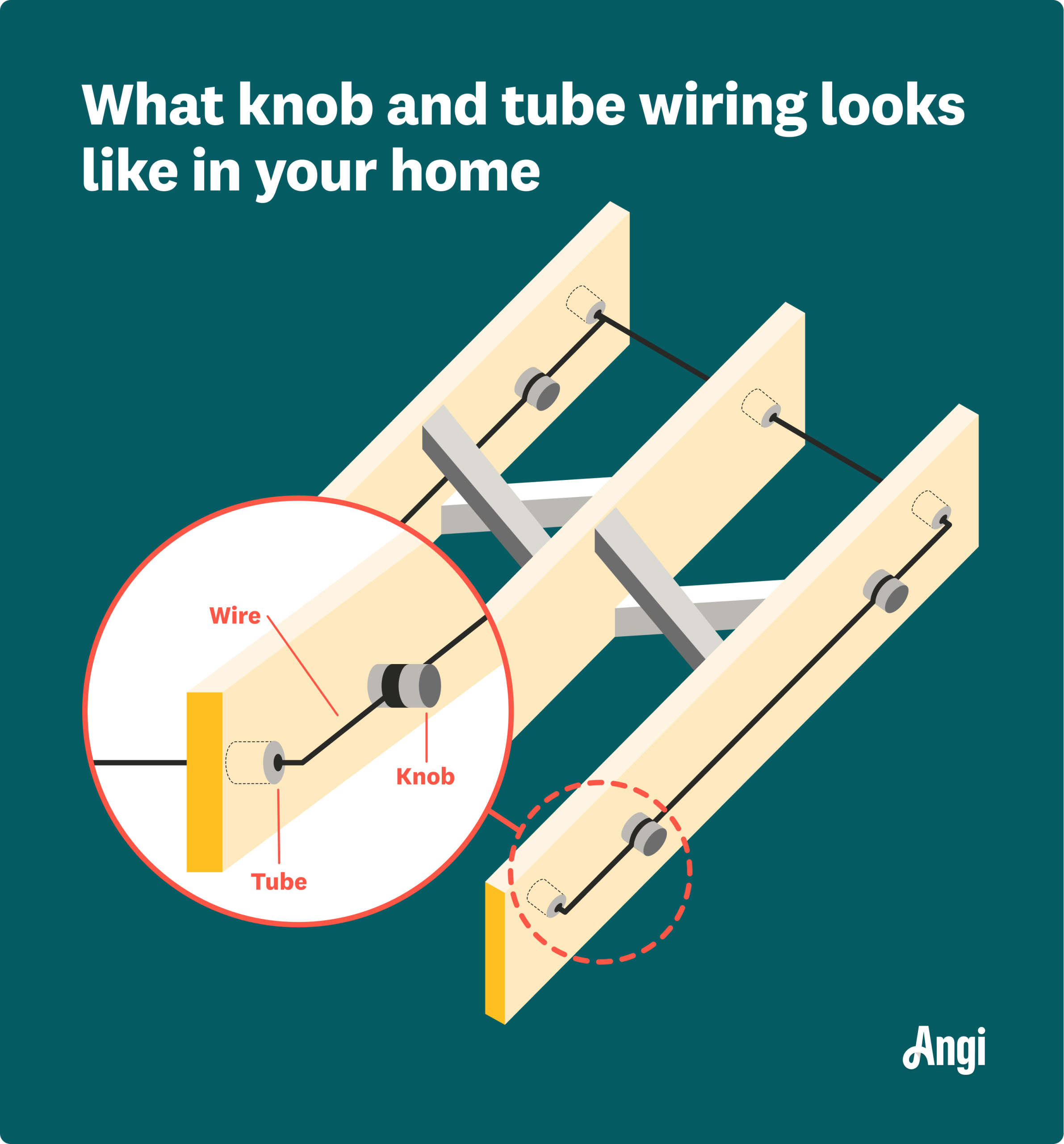
If you live in a home built before 1950, knob and tube replacement Vancouver experts are often the first call you need to make. This system consists of single insulated copper conductors run through porcelain “knobs” to keep them away from wood and “tubes” to protect them as they pass through joists. While the porcelain itself is durable, the rubberized cloth insulation surrounding the wire is not.
Over eighty years, that insulation becomes brittle and flakes away, leaving bare live wires exposed inside your walls. Furthermore, knob and tube was designed to stay cool by having air circulate around it in open wall cavities. When modern homeowners blow loose-fill insulation into their walls to save on heating bills, they inadvertently “smother” the old wires. This causes heat to build up, significantly increasing the risk of an electrical fire. Replacing this system with modern, grounded Romex wiring is the only way to ensure the home meets current safety standards.
Modern Power vs. Vintage Infrastructure
The gap between what a heritage home can provide and what a modern family needs is widening. Most people buying in North Vancouver today want to integrate green technology. Whether it’s a Level 2 EV charger in the garage or a high-efficiency heat pump to replace an old oil furnace, these upgrades require a robust electrical backbone.
Vintage homes often struggle with “voltage drop” or flickering lights when a heavy appliance like a vacuum or microwave kicks in. This is a sign that the existing circuits are overextended. A restoration isn’t just about fixing what’s broken; it’s about building a foundation for future technology. Working with a specialized team for restoration services ensures that these new loads are balanced across the entire system.
The Problem with 60-Amp Service
Many heritage properties in the District of North Vancouver still operate on 60-amp or 100-amp electrical service. By modern standards, 60 amps is insufficient for almost any detached home. A single electric oven or a clothes dryer can pull nearly half of that capacity on its own. If you add an EV charger, which typically requires a dedicated 40-amp or 50-amp circuit, the system will simply fail.
Upgrading to a 200-amp service is a standard part of the heritage home rewiring process. This involves more than just swapping the breaker box. It usually requires a new service mast on the exterior of the house, a new meter base, and coordination with BC Hydro to ensure the incoming lines can handle the increased flow. This upgrade provides the “headroom” necessary to run multiple high-draw appliances simultaneously without tripping breakers.
The Aluminum Wiring Era (1960s-1970s)
While older heritage homes deal with knob and tube, homes built or renovated in the late 1960s and early 1970s face a different challenge: aluminum wiring. Due to high copper prices during that era, builders turned to aluminum. While aluminum is a capable conductor, it expands and contracts at a different rate than the brass or steel screws found in outlets and switches.
This “thermal cycling” causes connections to loosen over time, leading to arcing and localized heating. Many North Vancouver homeowners find charred plastic around their outlets—a clear sign of failing aluminum connections. Remediation usually involves “pig-tailing” with copper using specialized connectors or a total rewire. Addressing this is vital for anyone planning a long-term stay in a mid-century heritage property.
Preserving Character While Upgrading Components
The biggest fear for heritage enthusiasts is that a rewire will mean destroying the very things they love about the house. Original wood paneling, hand-plastered ceilings, and intricate baseboards are difficult and expensive to replace. There is a common misconception that an electrician must “gut” the house to install new wires.
Expert electricians who specialize in heritage properties use different techniques. Instead of tearing down walls, they use “fishing” methods, snaking wires through small, strategic openings that can be easily patched. This preserves the historical integrity of the home while completely modernizing the guts of the system. You can see examples of this careful balance in projects like this award-winning heritage home transformation.
Working with Lath and Plaster Walls
Lath and plaster is much denser and more brittle than modern drywall. If handled incorrectly, it can crack and crumble, leading to massive repair bills. Furthermore, old plaster often contains horsehair for reinforcement, which creates a specific type of dust and debris during construction.
When performing a rewire in a North Vancouver heritage home, we use specialized masonry bits and vacuum-shrouded tools to minimize the impact on the plaster. We also look for opportunities to run wires through closets, crawlspaces, and attics to keep the main living areas untouched. It is a slower process than a standard “rough-in,” but it respects the history of the building.
The Danger of “Legacy DIY” and Unpermitted Work
Over the last 80 years, many heritage homes have been owned by “DIY enthusiasts.” In the attics of North Shore homes, it is common to find what we call “rat’s nests”—places where a previous owner spliced new wires into old knob and tube using electrical tape instead of a proper junction box.
These hidden hazards are often tucked under insulation or behind basement walls. Unpermitted work is a major liability during a renovation. If a fire occurs and the investigation finds unpermitted electrical work, insurance companies may deny the claim entirely. A professional rewiring project involves pulling permits with the City or District of North Vancouver and having a BC Safety Authority inspector sign off on the work. This creates a paper trail of safety that adds significant value to the property.
Planning Your Restoration Project
If you are starting a heritage renovation, the electrical system should be your first priority, not an afterthought. It is much easier and cheaper to update the wiring while the house is in a state of flux than it is to do it after you have painted the walls and refinished the floors.
Start by having a thorough electrical audit. This goes beyond a standard home inspection. A specialized electrician will check for grounded outlets, look for signs of overheating in the panel, and verify the type of wiring present in the most inaccessible parts of the home. Once you have a clear picture of the system’s health, you can budget for upgrades that keep your family safe and your insurance provider happy.
If you’re ready to bring your heritage home into the modern age without losing its soul, reach out to our team for a consultation. We specialize in the unique challenges of North Vancouver’s historic properties and can help you build a plan that balances safety, power, and preservation.
FAQs
How do I know if my home has knob and tube wiring? Check your basement or attic for white porcelain “knobs” attached to joists. You can also look for “two-prong” outlets in your living areas, as these typically indicate an ungrounded system.
Can I just replace the outlets to get insurance? No. Simply changing a two-prong outlet to a three-prong (GFCI) outlet provides safety against shocks, but it does not fix the underlying issue of old, brittle wiring behind the walls which is what insurers care about.
How long does a full heritage rewire take? For an average-sized North Vancouver home, a full rewire typically takes 7 to 14 days, depending on the accessibility of the crawlspaces and attics.
Do I have to move out during the rewiring process? In most cases, you do not. We can usually work room-by-room, ensuring you have power and light in the areas you are using while we update other sections of the home.