
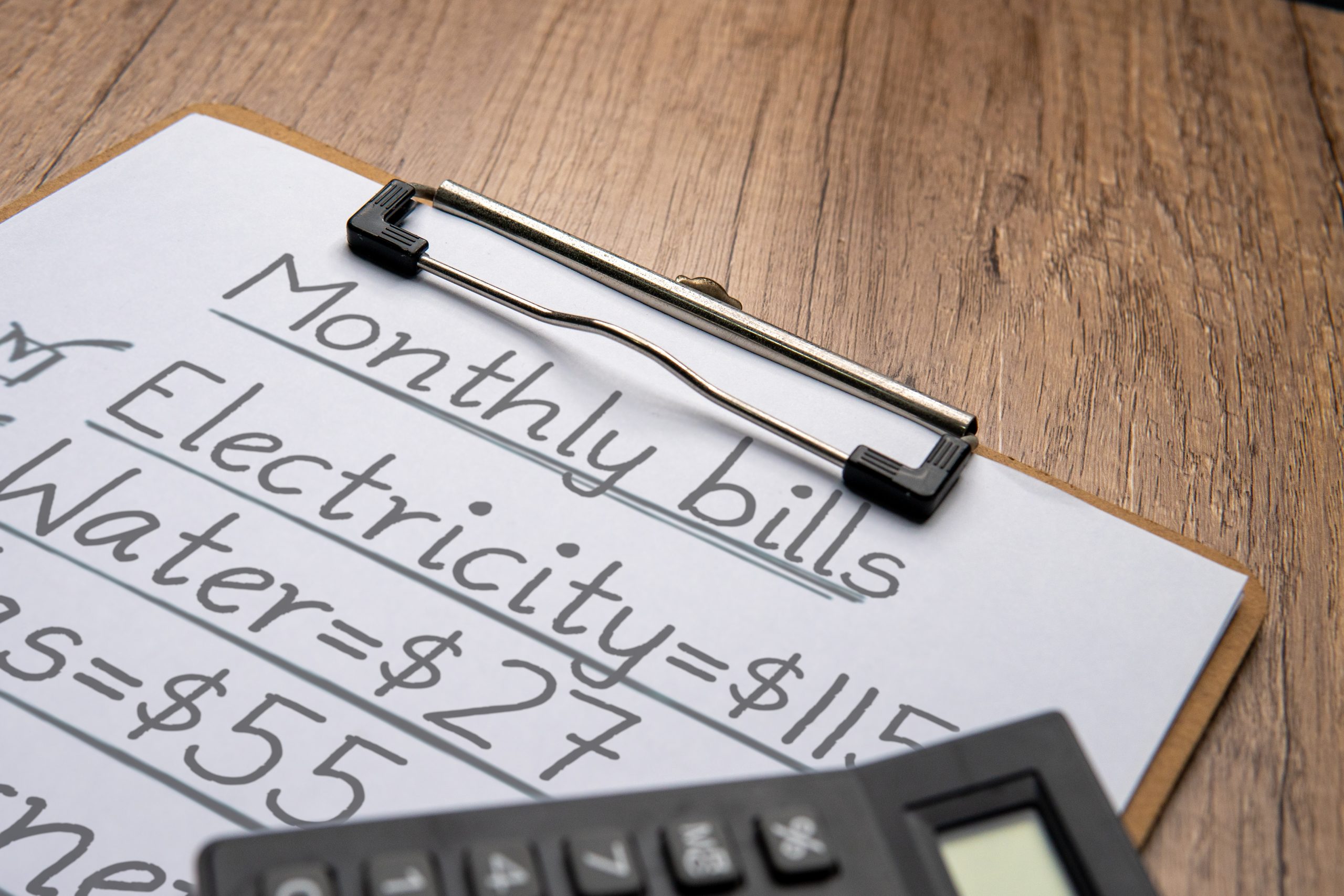
If your monthly bill keeps creeping up, you’re not alone. Ontario homeowners are dealing with higher costs, more devices, and homes that weren’t designed for today’s electrical demand.
The good news is that “energy-efficient electrical upgrades” doesn’t have to mean a giant renovation. The biggest wins are usually practical upgrades that reduce waste you can’t see—lights left on, devices sipping power 24/7, and controls that don’t match how you actually live.
Below are the upgrades that tend to make the most sense first, how to avoid spending money in the wrong place, and when a service panel upgrade becomes part of the conversation.
What people really mean by “energy-efficient electrical upgrades”
Most homeowners aren’t looking for a science project. They want upgrades that do at least one of these things:
- Reduce electricity use without changing daily comfort
- Make power use easier to control (less “oops, left it on”)
- Support modern needs like EV charging, heat pumps, and home offices
- Prevent problems that waste power, like overheating connections or overloaded circuits
Efficiency is rarely one magic product. It’s usually a few smart changes that add up, then a plan to build on over time.
How to reduce electricity bills home without guesswork
Before you buy anything, get clear on what’s driving the bill. Two factors matter most:
- How much electricity you use (kWh)
- When you use it, especially on Time-of-Use or Ultra-Low Overnight plans
A simple approach is to look at your biggest categories: lighting, heating/cooling equipment, major appliances, and “always-on” electronics. Natural Resources Canada also highlights easy ways to cut waste like standby power and using smart power bars.
High-impact upgrades that usually pay off first
LED lighting upgrades that don’t feel like a renovation
Lighting is one of the simplest places to improve efficiency. NRCan notes that ENERGY STAR certified LEDs can be up to 90% more efficient than incandescent bulbs and last much longer.
You don’t need to swap every bulb in one weekend. Start where lights stay on the longest:
- Kitchen ceiling fixtures and pot lights
- Hallways and stairwells
- Exterior entry lights
- Basement and laundry areas
If you want to level up beyond bulbs, ENERGY STAR-qualified fixtures can also significantly reduce energy use compared to standard fixtures.
Budget reality: LEDs are one of the few upgrades that can feel “small” but still make a noticeable dent over time, especially in high-use areas.
Smart controls that stop “set it and forget it” waste
Controls are where efficiency gets real, because they prevent waste automatically.
A few control upgrades that homeowners usually notice right away:
- Occupancy sensors in bathrooms, laundry rooms, and basements
- Dimmers in living rooms and dining rooms (less power, better mood)
- Timers for exterior lighting or bathroom fans
- Smart switches to schedule lighting around your routine
These upgrades are especially helpful in households where lights get left on—kids, shift work, busy mornings, you name it.
Reduce standby power (the quiet bill-inflator)
Standby power is the electricity used when devices look “off” but still draw power. NRCan recommends actions like unplugging rarely used devices and using smart power bars to reduce standby consumption.
This is also one of the easiest “small win” sections to explain in a blog without overpromising results:
- Entertainment units (TVs, game consoles, sound systems)
- Home offices (printers, docks, monitors)
- Small appliances that stay plugged in year-round
If you want to keep it practical: focus on a few zones, not the entire house.
Right-size circuits and reduce nuisance tripping
This one surprises people. Efficiency isn’t only about buying efficient devices. It’s also about making sure your system can handle them properly.
If you’ve got frequent breaker trips, warm outlets, or “one circuit runs half the house,” you may be limiting what you can safely run—especially if you’re adding new loads like EV charging or higher-efficiency heating equipment.
Ontario’s Electrical Safety Authority discusses service calculations and when additional loads may require a service upgrade.
A licensed electrician can check:
- Whether loads are balanced across circuits
- Whether dedicated circuits are needed for new equipment
- Whether connections and breakers are in good shape
This is less about “saving a penny per day” and more about ensuring upgrades don’t create reliability issues.
When an older panel holds you back
Signs your service panel is limiting upgrades
In older Ontario homes, the panel can be the bottleneck. Watch for:
- Breakers that trip often with normal use
- Not enough breaker space for new circuits
- Past DIY additions that look messy or inconsistent
- Big new loads planned (EV charger, hot tub, heat pump)
If your next step includes adding major loads, a panel evaluation is a smart move before you commit to new equipment.
Why Panel Upgrades Can Support Efficiency and Safety
A service panel upgrade is not an efficiency upgrade on its own. What it does is remove limits that stop efficiency upgrades from working properly.
When a panel is undersized or already maxed out, homeowners often avoid adding smart controls, dedicated circuits, or EV charging because the system simply cannot support them. That hesitation can lock a home into higher energy use and fewer options.
Electrical capacity also affects when you can safely use power. The Ontario Energy Board explains how electricity costs vary by time of day, with lower rates during off-peak periods. If you want to shift usage—such as charging an EV overnight or running appliances when rates are lower—you need electrical infrastructure that can handle those loads safely and consistently.
In many Ontario homes, a panel upgrade becomes the foundation that allows efficiency upgrades to happen without nuisance tripping, overheating connections, or future rework. For homeowners planning ahead, learning more about service panel upgrades is often the right next step before adding new electrical loads.

Use Ontario pricing to your advantage
Many Ontario households pay time-of-use by default, meaning electricity costs more during on-peak periods and less off-peak.
That doesn’t mean you have to live like a robot. It means if you can shift a few high-use habits, you can reduce the cost impact:
- Run dishwashers and laundry in off-peak windows when practical
- Use timers so exterior lights aren’t running longer than needed
- Schedule EV charging overnight (where appropriate and safely installed)
This is also a great place to mention that readers should confirm their plan and pricing with their utility or the OEB, since rate structures can vary and change.
Government-Backed Ways to Reduce Home Energy Costs
Not every energy-saving improvement involves electrical work. Simple habit changes and basic upgrades can still make a difference when paired with professional electrical planning.
The Government of Canada outlines practical, homeowner-friendly ways to lower household energy use, including lighting choices, appliance usage, and reducing standby power. Their guidance is designed to help households save energy without compromising comfort or safety.
You can review these recommendations directly through the Government of Canada’s resource on saving money on energy in your home:
https://www.canada.ca/en/campaign/save-money-on-energy/save-money-on-energy-in-your-home.html
When these everyday steps are combined with properly planned electrical upgrades, homeowners are better positioned to reduce long-term energy costs and avoid upgrades that do not deliver real value.
What to skip (or at least be skeptical of)
Not everything marketed as “energy-saving” is worth wiring into your home.
A few common traps:
- Products that promise dramatic savings with no explanation
- “Miracle” devices you just plug in and forget
- Anything that encourages DIY electrical work beyond your comfort zone
The safer, smarter approach is to invest in upgrades that are measurable and standard: lighting, controls, load management, and electrical capacity planning.
A simple prioritization approach that fits real budgets
If ROI feels unclear, you’re thinking like a homeowner who’s been burned before. Here’s a practical way to prioritize without pretending every upgrade “pays for itself” instantly:
- Start with high-use items (lights and devices used daily)
- Focus on automatic savings (sensors, timers, smart power bars)
- Plan for future loads (EV, heat pump, workshop tools)
- Address system limits early if your panel/circuits are stressed
This keeps the plan grounded: fewer surprises, fewer call-backs, and upgrades that match how the home is actually used.
Next Step: Get a Licensed Assessment and a Clear Plan
If you’re dealing with rising bills, an older electrical panel, or you’re planning to add new electrical loads, the fastest way to stop guessing is to have a licensed electrician review your home’s setup and priorities.
A professional assessment helps identify where efficiency upgrades make sense now, where capacity limits may slow things down, and which improvements can wait. If you’re ready to talk through options, contact TDR Electric to discuss a home efficiency-focused electrical assessment—what to do first, what to plan for later, and what upgrades may not be worth the investment.
For homeowners who want simple energy-saving actions they can take right away, the Government of Canada also offers practical guidance on saving money on energy in your home:
https://www.canada.ca/en/campaign/save-money-on-energy/save-money-on-energy-in-your-home.html
FAQs
What are the best energy-efficient electrical upgrades to start with?
Most homes see the easiest early wins from LED lighting upgrades, smart controls (sensors/timers), and reducing standby power.
Can an electrical panel upgrade lower my monthly bill?
A panel upgrade doesn’t usually reduce energy use by itself, but it can enable safer, more modern upgrades—like adding dedicated circuits, EV charging, or better controls—especially when new loads are added.
Do smart switches and sensors really save power?
They can, because they reduce “accidental” usage (lights left on) and make energy habits automatic. Results depend on how often lights are typically left on in your home.
How do Ontario time-of-use rates affect my bill?
Time-of-use pricing means electricity costs more during higher-demand hours and less during lower-demand hours, so shifting some usage can help reduce costs.
Is it safe to DIY electrical upgrades for energy savings?
Simple actions like using smart power bars are generally safe, but wiring changes, panel work, and new circuits should be handled by a licensed electrician for safety and code compliance